January 9, 2026 | Policy Alerts
Policy Alert: Maduro’s Capture Presents Opportunity to Advance U.S. National Security Objectives
January 9, 2026 Policy Alerts
Policy Alert: Maduro’s Capture Presents Opportunity to Advance U.S. National Security Objectives
Bottom Line Up Front
The stunning U.S. military operation to capture Venezuelan dictator and notorious narco-trafficker Nicolas Maduro and his wife, Cilia Flores, was a victory for U.S. national security and the Venezuelan people. While the pair await trial, the Trump administration and Congress have an opportunity to end the threat the Chavista regime continues to pose to the United States and facilitate Venezuela’s transition from a repressive, socialist dictatorship aligned with China, Cuba, Iran, and Russia to a stable, democratic U.S. partner.
This policy alert explains Maduro’s threat to the United States, lays out the current state of play in Venezuela following his capture, and provides recommendations to the Trump administration and Congress on how to leverage this tactical win to advance core strategic U.S. national security objectives in the Western Hemisphere.
FDD Action Expert Analysis
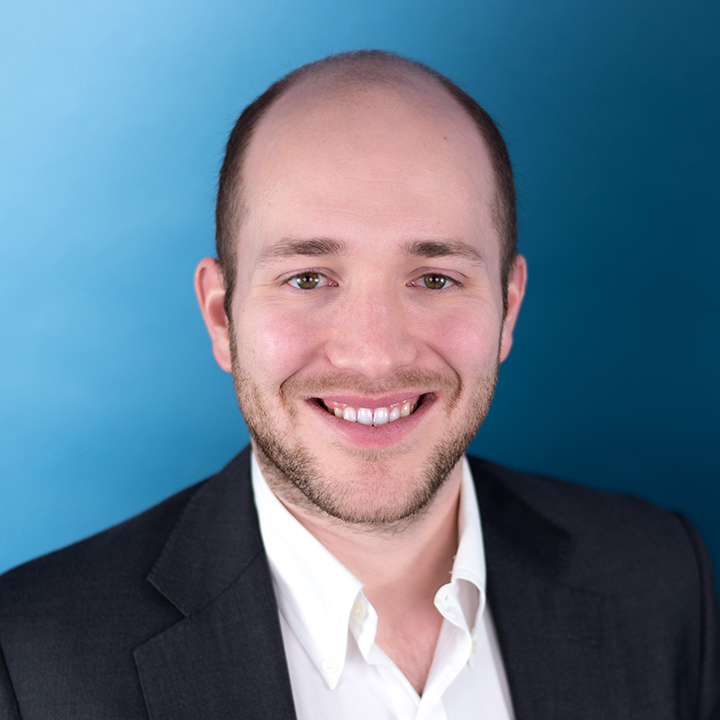
“The capture of Nicolas Maduro creates a once-in-a-generation opportunity for the United States to end the narco-terrorist threat in Venezuela, deprive our adversaries of a forward operating base in the Western Hemisphere, and create a better future for the Venezuelan people. Achieving these goals will require a concerted effort from the Trump administration and Congress to bring about a successful post-Maduro transition.”
Senior Director of Government Relations at FDD Action
The Threat Posed by Maduro’s Narco-terrorist State
Nicolas Maduro was a fugitive from American justice. His regime trafficked drugs to the United States, provided support to designated terrorist groups, and gave America’s adversaries a foothold in the Western Hemisphere.
- Maduro’s prior indictment: In March 2020, the United States indicted Maduro and other senior regime officials in the Southern District of New York for participating in a narco-terrorism conspiracy and importing cocaine into the United States, among other charges. The Biden administration upheld the indictment and increased the reward for Maduro’s capture to $25 million.
- The latest indictment: After Maduro’s capture, the U.S. Department of Justice unsealed a superseding indictment alleging that Maduro, his wife, and other members of the regime oversaw a sprawling narco-terrorist conspiracy involving five U.S.-designated foreign terrorist organizations, including the ELN, FARC, Sinaloa Cartel, and Tren de Aragua, to traffic cocaine to the United States. They also allegedly used narcotics-based corruption to enrich themselves and other members of the regime at the expense of the Venezuelan people.
- China provided a crucial economic lifeline to Maduro and his regime. It is the largest buyer of Venezuelan oil and financier of more than $60 billion of projects in the country.
- Russia facilitated Maduro’s efforts to evade U.S. sanctions and armed Venezuela’s military. Russia was even building a Venezuelan factory to manufacture Kalashnikov assault rifles and ammunition. Russian S-300 surface-to-air missiles defend Venezuelan military bases that also double as drug trafficking hubs.
- Iran has long maintained a close partnership with Maduro, the Islamist regime’s most important ally in the Western Hemisphere. Maduro had even declared his regime part of Iran’s “axis of resistance” against the United States and Israel, joining the likes of Hamas, Hezbollah, and other Iran-backed proxy forces in the Middle East. He provided a safe haven for the Islamic Revolutionary Guard Corps and Hezbollah, which extends the reach of Tehran’s intelligence and repression apparatus directly into America’s backyard.
While Maduro is no longer in charge of Venezuela, the Chavista regime he leaves behind remains a threat to U.S. national security, underscoring the need for continued U.S. pressure.
- Venezuela’s interim authorities are led by Delcy Rodriguez. First appointed by Maduro to be Vice President in 2018, Rodriguez is the daughter of a Marxist guerrilla. She served in government positions under Hugo Chavez and Maduro, including as foreign minister and finance minister. She is a committed Chavista and Maduro loyalist.
- Rodriguez’s brother, Jorge, is president of the National Assembly and played a key role in Maduro’s effort to steal the 2024 presidential election. He also served as vice president under Hugo Chavez. Both Jorge and Delcy Rodriguez are sanctioned by the United States.
- Sanctioned officials in power: Interior Minister Diosdado Cabello and Defense Minister Vladimir Padrino remain in power and continue to control the regime’s repression apparatus. Both are indicted by the U.S. for drug trafficking with rewards for their capture.
- Support from Axis of Aggressors: At Rodriguez’s swearing-in ceremony on January 5, among the first attendees to congratulate her were the Chinese, Russian, and Iranian ambassadors to Venezuela, accentuating the regime’s continued warm relations with U.S. adversaries.
Post-Maduro, the Trump administration should utilize America’s economic, military, and political power to support a transition in Venezuela that achieves five core objectives:
- Stop drug trafficking supported by the regime and remove narco-terrorist groups operating freely in the country;
- End Venezuela’s alignment with China, Cuba, Iran, and Russia and dismantle their networks;
- Ensure that Venezuela’s energy resources no longer fuel U.S. adversaries;
- Dismantle the Chavista repression apparatus and free all political prisoners; and
- Facilitate a democratic transition through free and fair elections.
What the Administration Can Do
Communicate the stakes of the transition and U.S. priorities, while consulting closely with Congress.
- With the American people: Clearly explain to the American people the national security threat posed by the Maduro regime that justified Maduro’s capture and why a successful transition in Venezuela advances U.S. national security.
- With Congress: Continue briefing and consulting with congressional leadership and relevant committees to ensure sustained bipartisan support for a comprehensive strategy to address the national security threats in Venezuela and facilitate a democratic transition.
Strictly enforce the quarantine on sanctioned Venezuelan oil until the regime makes concrete commitments to U.S. priorities and future elections.
- Financial lifeline: The export of oil by the Venezuelan state oil company PDVSA, which has been sanctioned by the United States since 2019, is the regime’s primary source of financial resources, alongside drug trafficking and other illicit activities.
- Long-term leverage: Fully enforcing the oil quarantine is the United States’ greatest source of long-term leverage to prevent a permanent Chavista regime from taking hold.
- The proceeds of any Venezuelan oil purchased by the United States should benefit the Venezuelan people and victims of the Maduro regime, not sanctioned and indicted members of the interim authority.
- Rebuilding the country: President Trump has also focused on the possibility of significant U.S. investment in Venezuela’s energy sector, which could fund the rebuilding of the country in a successful transition.
Maintain the threat of additional military operations to deter resistance within the regime to U.S. priorities and a democratic transition.
- Cooperation through deterrence: The United States should maintain sufficient military forces in the Caribbean Sea to rapidly respond to developments in Venezuela during the transition period. These deployments provide a powerful incentive for the Chavista regime to cooperate with the United States.
- Risk of a coup: With Venezuela’s military and intelligence apparatus, led by Padrino and Cabello, embarrassed but still in place, Rodriguez and others who might negotiate with the United States face significant risk of a coup from within the regime.
Secure concrete commitments for Venezuela to dismantle the physical infrastructure and illicit networks supporting terrorist groups and U.S. adversaries in the country.
- Narco-terrorists are embedded: After two decades of Chavista rule, dismantling the infrastructure and illicit networks of terrorist groups like the ELN, FARC, Tren de Aragua, and Hezbollah in the country will take time and commitment from a future government.
- China, Russia, Iran, and Cuba have embedded networks in Venezuela that will resist any U.S. effort to put Venezuela on a pro-American path.
- Russia and Iran have also provided military equipment and established weapons factories that should be dismantled.
Intensify planning for U.S. assistance to rebuild Venezuela’s economy after a democratic transition in consultation with Congress.
- A U.S. Economic Strike Force: FDD’s Josh Birenbaum and Max Meizlish have suggested that the executive branch mobilize an interagency economic strike force for Venezuela that can use the full menu of U.S. economic tools “to create the conditions for private-sector investment and growth.” These tools include swap lines, development financing, political risk insurance, technical assistance, and U.S.-led public-private partnerships.
- U.S. in the driver’s seat: The United States, not China, should lead efforts to help rebuild the country, leveraging Venezuela’s energy resources and U.S. private-sector investment.
Ensure that any framework to facilitate future elections does not prevent the opposition from fielding the candidate of their choice.
- Protect the opposition: Protect the physical safety of members of the opposition, including Maria Corina Machado and Edmundo Gonzalez, when they choose to return to Venezuela.
- Facilitate fair and free elections: In the 2024 presidential election, the Maduro regime violated the 2023 Barbados Agreement by barring Maria Corina Machado, who won the opposition primary, from running in the general election. This forced the opposition to run a placeholder candidate, Edmundo Gonzalez, who still won more than 70 percent of the vote in an election Maduro stole.
What Congress Can Do
Hold public hearings on Venezuela, including the administration’s priorities post-Maduro and plans for a democratic transition.
- Request public testimony from senior administration officials.
- Invite testimony from SOUTHCOM, the Drug Enforcement Administration (DEA), and intelligence community officials on the operational threat environment.
- Examine the extent of Chinese, Russian, and Iranian military and economic presence in Venezuela and priorities for dismantling this presence.
- Assess the nexus between state-sponsored drug trafficking and terrorist financing networks.
Enact legislation establishing a statutory basis for sanctions against the Chavista regime and its supporters to maximize leverage during a post-Maduro transition.
- Renew lapsed laws: Key statutory Venezuela sanctions authorities, including the Venezuela Emergency Relief, Democracy Assistance, and Development (VERDAD) Act of 2019 and the Venezuela Defense of Human Rights and Civil Society Act of 2014, have lapsed, and the Venezuela Sanctions Regulations are not codified.
- Congress can also expand sanctions tools by authorizing enhanced secondary sanctions on foreign facilitators of Venezuelan oil trade and evasion schemes and providing additional measures to assist in the seizure of regime assets.
- Existing sanctions can also be strengthened by better coordinating enforcement mechanisms across the Departments of Treasury, State, and Justice to maximize leverage during a post-Maduro transition.
Conduct oversight on enforcement of existing U.S. sanctions against the Chavista regime and its supporters to maintain maximum U.S. leverage.
- Review Treasury’s implementation of sanctions on Venezuelan oil and designated terrorist groups operating in Venezuela.
- Examine gaps in secondary sanctions enforcement against third-party actors facilitating sanctions evasion.
- Assess coordination between the Departments of the Treasury, State, and Justice on designations and prosecutions.
Enact legislation to help plan for and facilitate a democratic political transition in Venezuela. This includes measures that:
- Mandate the executive branch publish detailed criteria and timelinesfor delisting PDVSA and other key Venezuelan state‑owned firms, including gold and mining companies, and require regular reports to relevant committees on progress toward these benchmarks to guide sanctions relief;
- Authorize and fund public‑private partnerships among U.S. authorities, Venezuelan interim authorities, and financial institutions or energy companies, directing them to design and implement programs to identify, disrupt, and help remediate corruption and financial crime networks that could impede post‑Maduro regime investment;
- Direct the Commerce Department’s Bureau of Industry and Security to create a fast‑track export licensing regime for specified Commerce Control List items critical to restoring Venezuelan oil production and related infrastructure and critical mineral production with statutory deadlines and reporting on license approvals and denials;
- Require the president to submit a plan identifying which Venezuela‑related executive orders and statutory sanctions authorities would be terminated, suspended, or waived after a democratic transition;
- Require the president to submit to Congress an assessment of potential assistance that would be needed from the United States, U.S. partners, and international financial institutions to help a democratically elected government in Venezuela rebuild the economy, push out adversary capital, and mobilize private sector investment from Western companies.
Additional Resources
U.S. Captures Venezuelan Dictator Nicolas Maduro Following Military Operation in Caracas (FDD Flash Brief, January 3, 2026)
Trump has started to liberate Venezuela while striking the heart of Russia, China, Iran’s evil global axis (Richard Goldberg and Peter Doran, New York Post, January 5, 2026)
Maduro’s Venezuela is a Playground for America’s Adversaries (FDD Action Policy Alert, November 24, 2025)
Iranian Plot to Assassinate Israeli Ambassador to Mexico Foiled (FDD Flash Brief, November 8, 2025)