November 24, 2025 | Policy Alerts
Policy Alert: Maduro’s Venezuela is a Playground for America’s Adversaries
November 24, 2025 Policy Alerts
Policy Alert: Maduro’s Venezuela is a Playground for America’s Adversaries
Bottom Line Up Front
Nicolas Maduro’s regime in Venezuela is providing U.S. adversaries like China, Russia, and Iran a foothold in the Americas, less than 600 miles from American soil. This poses a significant threat to U.S. national security.
Today, the U.S. designation of the Maduro regime-led Cartel de los Soles as a foreign terrorist organization (FTO) goes into effect, which could mark a new phase of U.S. operations in the Caribbean Sea. The Trump administration is keeping all options on the table—it has not ruled out the possibility of conducting strikes on targets in Venezuela should Maduro continue to provide safe haven to U.S.-designated narcoterrorist groups. On November 16, the USS Gerald R. Ford Carrier Strike Group entered the Caribbean Sea, joining a significant array of U.S. naval and air assets already conducting exercises and counternarcotics operations in the area.
Targeting drug boats prevents their cargoes from reaching the United States and may deter trafficking by sea, but it does not degrade the underlying strength of the cartels or address Maduro’s close partnerships with U.S. adversaries. To effectively address both threats and hasten the fall of Maduro’s narcoterrorist state, the United States needs a comprehensive strategy that makes better use of all available tools of American statecraft: from military power and economic pressure to renewed diplomatic isolation.
This Policy Alert lays out the serious threat posed to U.S. national security by the safe haven Maduro has given to transnational criminal organizations and adversaries like China, Russia, and Iran. It also lays out how Congress and the Trump administration should respond to this growing threat.
Estimated reading time: 8 minutes
FDD Action Expert Analysis
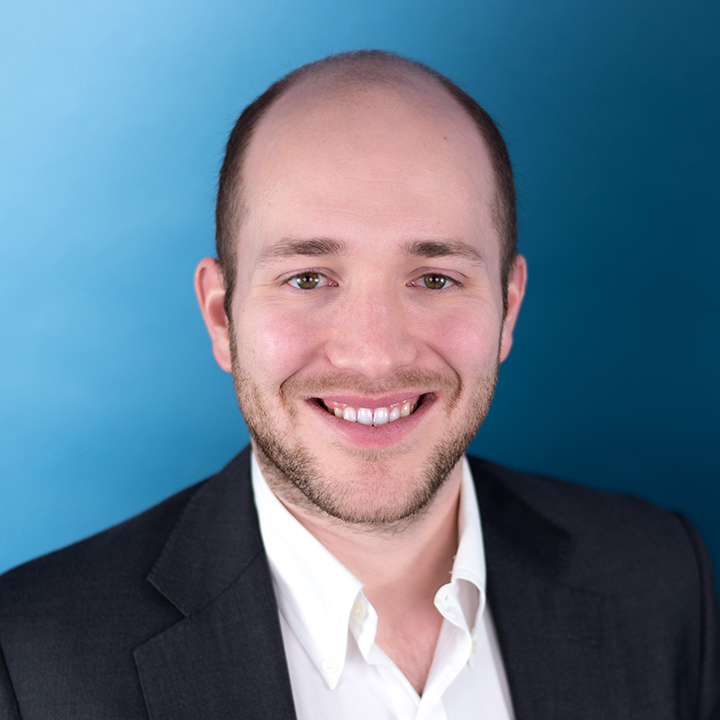
“The failed socialist project in Venezuela poses a dual threat to U.S. national security: a playground for Iran, China, and Russia in America’s backyard and a safe haven for terrorist groups and drug cartels. Strikes against these cartels and the Maduro regime would reflect a recognition that the United States can no longer tolerate a failed narcoterrorist state threatening the homeland and providing aid and comfort to our greatest adversaries.”
The Threat: Maduro’s Narcoterrorist State
Under Nicolas Maduro, Venezuela has become a forward operating base for China, Russia, and Iran in the Western Hemisphere.
- China provides a crucial economic lifeline to the regime. It is the largest buyer of Venezuelan oil and financier of more than $60 billion of projects in the country. In October 2025, nearly 7% of Beijing’s oil exports came from Venezuela, helping fuel China’s economy at a sanctions-discounted rate while giving the Maduro regime cash to stay afloat.
- Russia facilitates Maduro’s efforts to evade U.S. sanctions and arms his military. Russia is even building a Venezuelan factory to manufacture Kalashnikov assault rifles and ammunition. Russian S-300 surface to air missiles defend Venezuelan military bases that also double as drug trafficking hubs.
- Iran has long maintained a close partnership with Maduro, and Venezuela continues to be the Islamist regime’s most important ally in the Western Hemisphere. Last week, media reports revealed that Iran’s Islamic Revolutionary Guard Corps (IRGC) plotted to assassinate Israel’s ambassador to Mexico earlier this year. The IRGC officer who hatched the plot was serving as an aide to Iran’s ambassador in Venezuela.
- Maduro has even declared his regime part of Iran’s “axis of resistance” against the United States and Israel, joining the likes of Hamas, Hezbollah, and other Iran-backed proxy forces in the Middle East. He provides a safe haven for the IRGC and Hezbollah, which extends the reach of Tehran’s intelligence and repression apparatus directly into America’s backyard.
- Maduro has leveraged this relationship with Tehran to manufacture advanced military drones based on Iranian designs. Venezuela is also a major hub for Hezbollah’s networks in Latin America, facilitating drug trafficking and money laundering that raises funds for terrorism.
As long as Maduro remains in power, Venezuela will be the region’s epicenter of terrorism and drug trafficking, posing a direct threat to the United States.
- Maduro and senior regime officials lead the U.S.-designated FTO Cartel de los Soles, which uses drug trafficking and other criminal activity to support the regime and provide material support to two other U.S.-designated FTOs: the Sinaloa Cartel and Tren de Aragua. The former is one of the largest traffickers of fentanyl into the United States, while the latter has been implicated in violence across the United States and Latin America.
- Venezuela’s formerly strong institutions have collapsed under Maduro’s authoritarianism, leaving vast swaths of territory in the hands of terrorist groups. These include the Ejército de Liberación Nacional (ELN) and remnants of the Fuerzas Armadas Revolucionarias de Colombia (FARC) from neighboring Colombia. Both groups have been designated by the United States as FTOs for nearly three decades.
- Iran’s IRGC has reportedly attempted to leverage these terrorist networks to target U.S. and Israeli officials in Latin America.
The Trump Administration has arrayed military assets in the Caribbean Sea with the capabilities to launch an overwhelming air and missile campaign against the Maduro regime.
- In addition to the deployment of the Ford Carrier Strike Group, nearly a dozen U.S. warships with significant capabilities are operating in the Caribbean. U.S. heavy bombers have also repeatedly conducted “bomber attack demonstrations” off the coast of Venezuela.
- On November 21, the Federal Aviation Administration issued a Notice to Airmen (NOTAM) warning pilots “to exercise caution” when flying over Venezuelan airspace “due to the worsening security situation and heightened military activity.” Many regional airlines have canceled flights in and out of Venezuela in response to the notice.
- A U.S. destroyer has repeatedly prevented a Russian tanker carrying a fuel additive critical to Venezuela’s oil industry from reaching port. The tanker is sanctioned by the U.K. and EU but not by the U.S. government.
- The daily cadence of U.S. operations creates constant uncertainty for Maduro and his generals if and when the United States could conduct precision strikes on land targets. At the same time, other tools, such as an authorization for covert action and continued sanctions enforcement, further erode the regime’s position.
What the Administration Can Do
The deployment of the Ford Carrier Strike Group and supporting assets to the Caribbean demonstrates the administration’s seriousness. The threat posed by Maduro’s narcoterrorist state, including the safe haven it provides to U.S. adversaries, warrants decisive and overwhelming military action. As the administration considers kinetic options, any actions should be integrated with sustained economic and diplomatic pressure to break Maduro’s grip on power:
Conduct precision strikes against cartel and regime targets.
- Interdicting drug boats does not degrade the cartels’ underlying capacity or hold the regime accountable for harboring them in the first place.
- The United States should strike cartel infrastructure, drug production facilities, and regime military assets that enable narcoterrorism. Doing so would demonstrate that providing safe haven to U.S.-designated FTOs carries unacceptable costs.
Consider expanding the target set to include regime enablers.
- Russian S-300 batteries defending drug trafficking hubs and Iranian-designed drone facilities are legitimate military targets.
- Eliminating them would degrade the regime’s defensive capabilities and send a message to Moscow and Tehran about the costs of propping up Maduro. It would also make clear that the United States will not tolerate their operations in the Western Hemisphere more broadly.
Communicate the threat and consult with Congress.
- Clearly explain to the American people the national security threat posed by the Maduro regime, including its partnerships with China, Russia, and Iran, and its role as a safe haven for narcoterrorist organizations.
- Continue briefing and consulting with congressional leadership and relevant committees to ensure sustained bipartisan support for a comprehensive strategy against the regime.
Intensify sanctions enforcement and expand designations.
- Target the Chinese and Russian entities facilitating sanctions evasion, including oil traders, shipping companies, and financial intermediaries keeping the regime afloat.
Authorize and resource covert action.
- Ensure the intelligence community has the authorities and resources to degrade cartel networks, support internal opposition, and create additional pressure on the regime from within.
Continue diplomatic isolation.
- Pressure regional governments to sever ties with Caracas and coordinate recognition of Venezuela’s legitimate democratic opposition.
What Congress Can Do
Congress must play a critical oversight and legislative role in ensuring the United States has a comprehensive strategy to address the threat posed by Maduro’s narcoterrorist state. Lawmakers should use hearings, sanctions oversight, and pending legislation to ensure all tools of American statecraft, military, economic, and diplomatic, are being deployed effectively against the regime and its partners in Tehran, Moscow, and Beijing.
Hold public hearings on the national security threat posed by the Maduro regime and U.S.-designated narcoterrorists in Venezuela.
- Invite testimony from SOUTHCOM, DEA, and intelligence community officials on the operational threat environment.
- Examine the extent of Chinese, Russian, and Iranian military and economic presence in Venezuela.
- Assess the nexus between state-sponsored drug trafficking and terrorist financing networks.
Conduct oversight on enforcement of existing U.S. sanctions against the Maduro regime and its supporters.
- Review Treasury’s implementation of sanctions against Cartel de los Soles leadership and affiliated entities.
- Examine gaps in secondary sanctions enforcement against third-party actors facilitating sanctions evasion.
- Assess coordination between the Departments of the Treasury, State, and Justice on designations and prosecutions.
Include key legislative provisions in the FY26 NDAA conference report related to Venezuela and U.S. adversaries in the Western Hemisphere, including:
- House § 1733D: Strategy to Counter Iranian and Hezbollah Influence in Latin America: This provision would require a comprehensive interagency strategy to disrupt IRGC and Hezbollah operations in the region.
- House § 1067: Annual Report on Drug Cartel Military Power: This provision mandates annual assessments of cartel capabilities, including weapons, personnel, and territorial control. It would provide Congress with critical information for oversight of counter-narcotics operations.
Support legislation to increase pressure on the Maduro regime, including:
- Reauthorizing and updating the Venezuela Emergency Relief, Democracy Assistance, and Development (VERDAD) Act of 2019 and the Venezuela Defense of Human Rights and Civil Society Act of 2014.
- Support the No Hezbollah In Our Hemisphere Act (S. 842/H.R. 3315): Led by Sens. John Curtis (R-UT) and Jacky Rosen (D-NV) in the Senate and Reps. Joe Wilson (R-SC) and Jimmy Panetta (D-CA) in the House, the No Hezbollah In Our Hemisphere Act would direct the State Department and other federal agencies to assess and counter Hezbollah’s influence in Latin America. FDDA has endorsed this legislation and encourages members of Congress to cosponsor it.
Additional Resources
Iranian Plot to Assassinate Israeli Ambassador to Mexico Foiled (Flash Brief | FDD | November 8, 2025)
Ford Carrier Strike Group Departs Europe for Latin America (Cameron McMillan, Bradley Bowman, and RADM (Ret.) Mark Montgomery | FDD Policy Brief | October 28, 2025)
Trump’s Caribbean Campaign: The Data Behind the Developing Conflict (Mark Cancian and Chris Park | CSIS | November 10, 2025)